

Introduction
The human brain is one of the most complex and important organs in the body. It controls thoughts, emotions, movements, memory, decision-making, and many other functions that allow us to manage everyday life. From remembering important information to solving problems and learning new skills, the brain plays a role in almost everything we do.
Despite its importance, brain health is something many people do not think about until they begin experiencing difficulties with concentration, memory, or mental clarity. In the United States, busy schedules, long working hours, digital distractions, irregular sleep patterns, and everyday stress can influence how people feel and perform mentally. Although occasional forgetfulness is a normal part of life, maintaining healthy habits can support overall brain function as people grow older.
Understanding how the brain works and what influences cognitive health is an important first step toward making informed lifestyle choices.
1Understanding How the Brain Works
The brain is made up of billions of nerve cells called neurons. These cells communicate with one another through electrical and chemical signals. This communication allows the brain to process information, store memories, control movement, and respond to different situations.
Hippocampus
Plays an important role in forming and organizing new memories.
Prefrontal Cortex
Helps with planning, decision-making, attention, and problem-solving.
Cerebellum
Supports balance, coordination, and certain learning processes.
Amygdala
Helps process emotions and emotional memories.
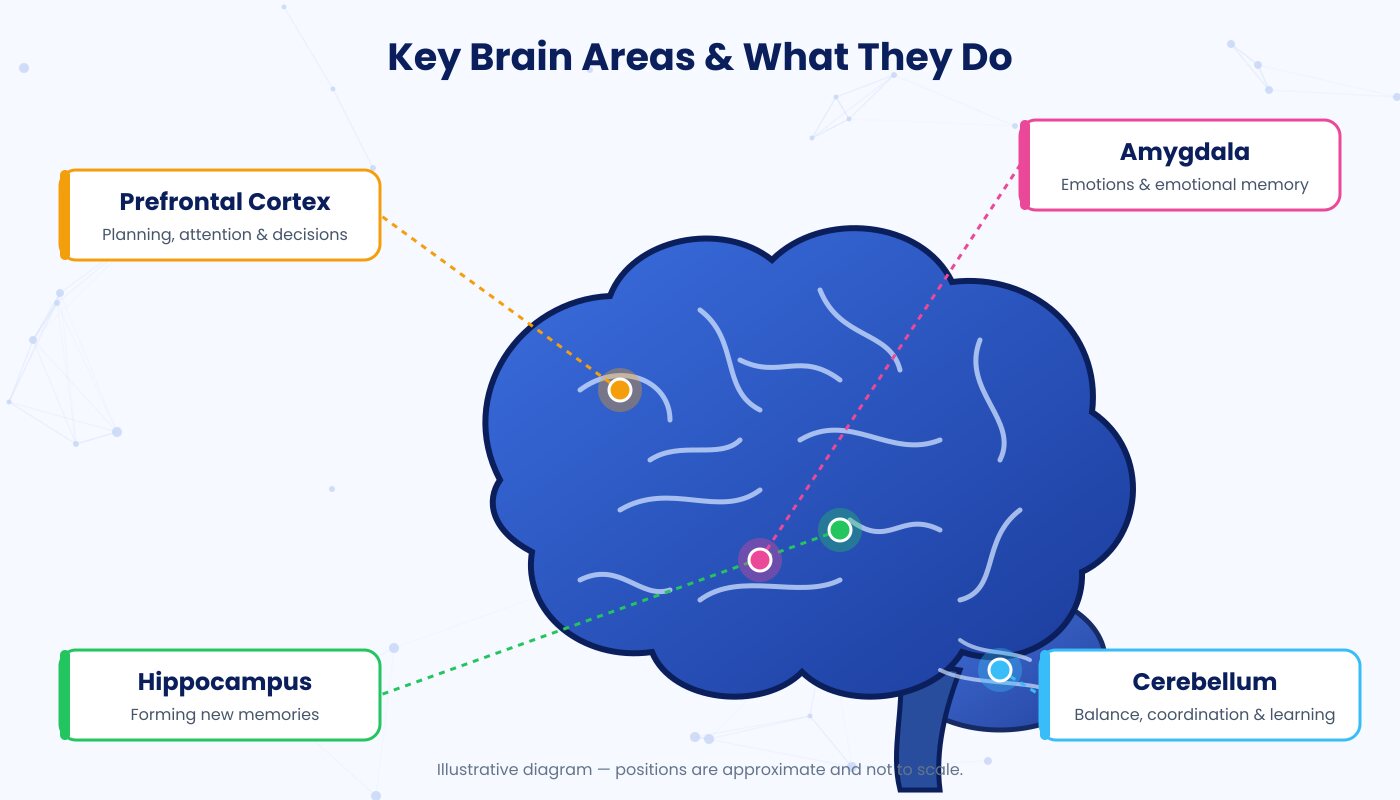
These areas work together rather than functioning independently. Brain function is also influenced by neuroplasticity, the brain's ability to adapt and change its connections in response to learning, experiences, and environmental influences. This ability continues throughout life.
2Why Memory and Concentration Matter
Memory and concentration are essential parts of everyday life. Memory helps people remember names, appointments, instructions, personal experiences, and important information. Concentration allows individuals to focus on specific tasks without becoming easily distracted.
Short-term memory
Temporarily holds a limited amount of information.
Working memory
Helps people hold and use information while completing a task.
Long-term memory
Stores information, experiences, and learned skills over extended periods.
When someone is distracted or mentally tired, it may become more difficult to absorb new information and remember details. Occasional memory lapses do not necessarily indicate a serious problem. Sleep deprivation, stress, distractions, and other everyday factors can temporarily affect attention and memory.
3The Connection Between Sleep and Brain Health
Sleep is an essential part of maintaining overall health, including healthy brain function. During sleep, the brain remains active and performs processes associated with learning, memory, and emotional regulation. Sleep also helps consolidate information gathered throughout the day.
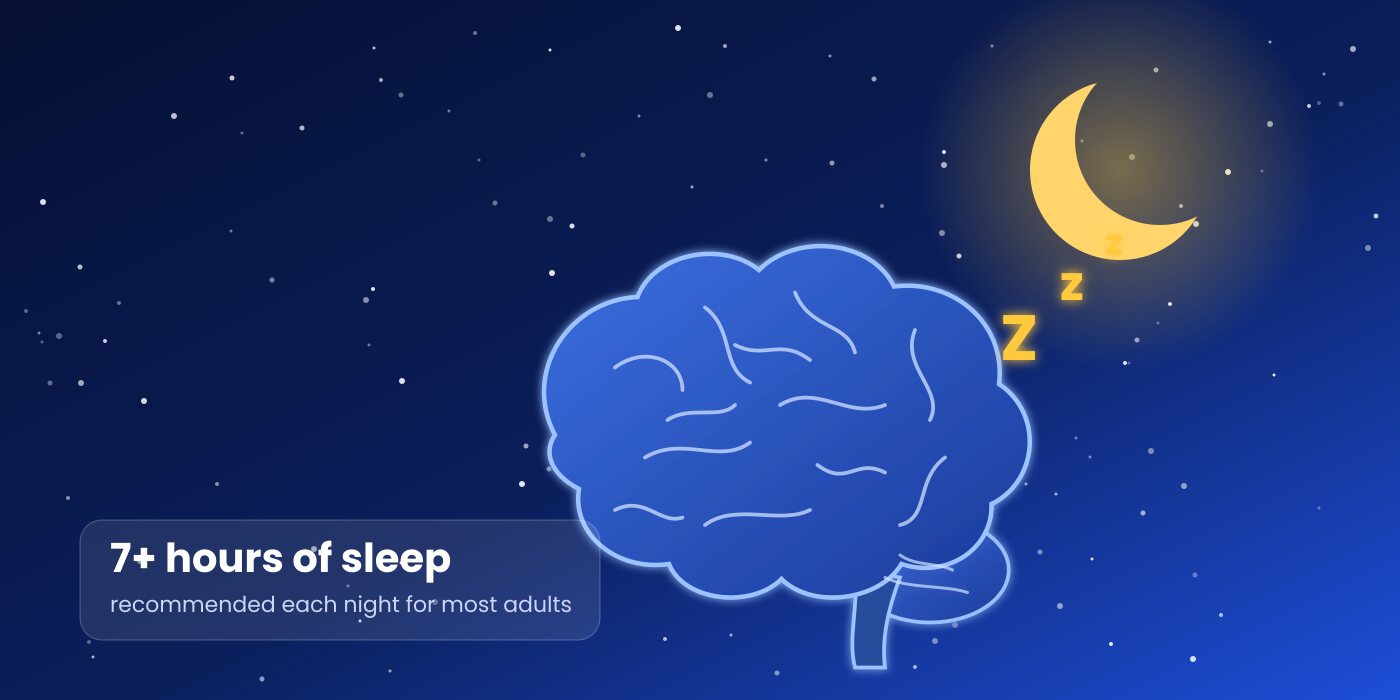
Adults generally need at least seven hours of sleep each night, although individual requirements can vary. Helpful habits include:
- Maintaining a consistent bedtime and wake-up schedule
- Reducing screen exposure before bedtime
- Keeping the bedroom comfortable and dark
- Avoiding excessive caffeine late in the day
- Creating a relaxing nighttime routine
Poor sleep can affect attention, reaction time, mood, and the ability to process information. Sleep should be considered an important part of a healthy lifestyle rather than simply a period of rest.
4Nutrition and Its Role in Cognitive Wellness
The brain requires energy and nutrients to function properly. A healthy eating pattern may include:
- Leafy green vegetables such as spinach and kale
- Fatty fish such as salmon and sardines, which contain omega-3 fatty acids
- Berries that contain plant compounds called polyphenols
- Nuts and seeds
- Whole grains
- A variety of colorful fruits and vegetables
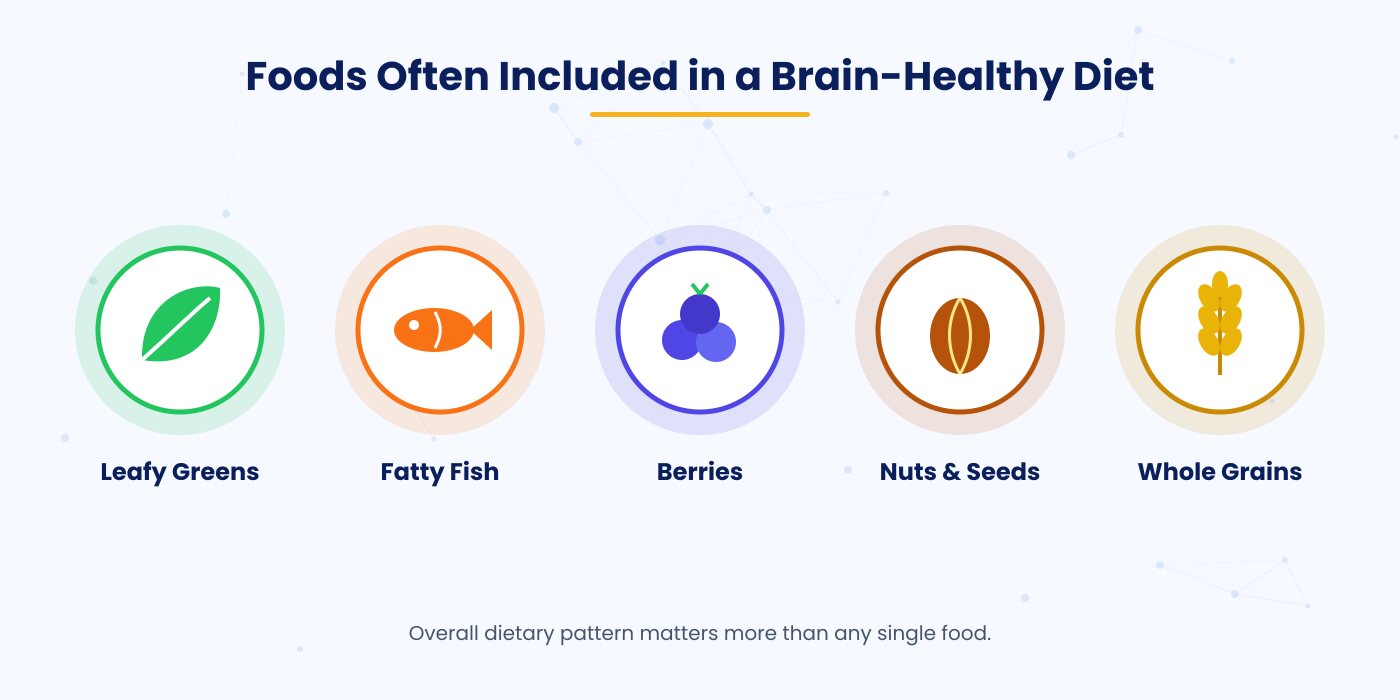
No single food can guarantee better memory or prevent cognitive decline. The overall quality and consistency of dietary habits are more important than relying on one particular ingredient.
5Physical Activity and the Brain
Physical activity benefits more than muscles and cardiovascular health. Regular movement supports blood circulation and is associated with several aspects of brain health. It may also support mood, sleep quality, and stress management.
Activities can include walking, cycling, swimming, dancing, gardening, yoga, or recreational sports.
People with existing health conditions should discuss an appropriate exercise routine with a healthcare professional.
6Stress, Mental Health, and Cognitive Performance
Stress is a normal response to challenging situations. However, ongoing stress can affect sleep, mood, attention, and everyday functioning. People experiencing prolonged stress may find it more difficult to concentrate, organize thoughts, or remember information.
Practical approaches include:
- Taking short breaks during demanding work
- Spending time outdoors
- Practicing mindfulness or meditation
- Maintaining social connections
- Participating in enjoyable hobbies
- Setting realistic daily goals
Mental well-being and brain health are closely connected.
7Keeping the Brain Mentally Active
The brain benefits from new experiences and opportunities to learn. Reading, learning a new language, playing puzzles and strategy games, drawing, writing, playing a musical instrument, and having meaningful conversations all involve cognitive skills such as attention, reasoning, language, and problem-solving.
There is no single activity that guarantees protection against memory problems. The goal is to maintain an active and engaging lifestyle that includes a variety of experiences.
8Understanding Brain Health Supplements
Brain health supplements are widely marketed around memory, concentration, mental performance, and cognitive wellness. These products may contain vitamins, minerals, herbal ingredients, or other compounds. It is important to distinguish general nutritional support from proven treatment for memory-related conditions.
In the United States, dietary supplements are regulated differently from prescription medicines. The FDA does not approve dietary supplements for safety and effectiveness before they are marketed in the same way it approves drugs. Consumers should:
- Review the complete ingredient list
- Check the amount of each ingredient
- Look for reliable scientific information
- Avoid exaggerated or guaranteed health claims
- Check for possible interactions with medications
- Discuss supplement use with a qualified healthcare professional
Products such as Phytomem One can be considered within the broader discussion of the brain wellness supplement market. Consumers should review its actual ingredients, available evidence, safety information, and manufacturer details before making a decision. A supplement should not replace a balanced diet, healthy lifestyle, or professional medical care.
9Everyday Habits That Support Long-Term Brain Wellness
Maintaining brain health is not about following one complicated routine. It is generally about making consistent lifestyle choices:
- Get sufficient sleep
- Eat a variety of nutritious foods
- Stay physically active
- Drink enough water
- Manage stress
- Learn something new
- Maintain meaningful social relationships
- Limit excessive alcohol consumption
- Avoid tobacco products
- Manage conditions such as high blood pressure and diabetes with appropriate medical care
These habits contribute to overall health and may help support healthy cognitive function over time. Brain health is influenced by several factors, including age, genetics, medical conditions, environment, and lifestyle.
Conclusion
Brain health is an important part of living a healthy and independent life. Memory, concentration, learning, and decision-making all depend on the coordinated activity of different brain systems.
Although no single food, exercise, or supplement can guarantee perfect memory, a combination of healthy lifestyle habits can contribute to overall cognitive wellness. Prioritizing sleep, eating a balanced diet, staying physically active, managing stress, and keeping the mind engaged are practical steps that people can incorporate into everyday life.
When evaluating brain health products, including supplements such as Phytomem One, consumers should focus on ingredient transparency, scientific evidence, and safety rather than relying on dramatic marketing promises. Understanding the brain and making informed health decisions can help people take a more thoughtful approach to their long-term well-being.